Training Stimuli – What Are They?

n1 training

Training stimuli refers to a specific conditions created by the type of training that elicits a particular response from the body. Think of it like a trigger that results in an adaptation.

By manipulating workout variables, we create a certain biological state in the body that stimulates processes to take place which can either positively or negatively affect our progress.

Each of these stimuli can contribute to one or more of our overall goals of fat loss, recomposition, muscle gain, or strength increase. 

Some training stimuli can contribute to multiple goals depending on how we match the nutrition with them (this is what we take care of for you with the nutrition calculators included with the N1 Training Programs)
2 Important Facts About Stimuli

  1. Each phase of training contains multiple stimuli
  2. Some stimuli can occur in two phases depending on the nutrition and how they are programmed

Example for Point #1

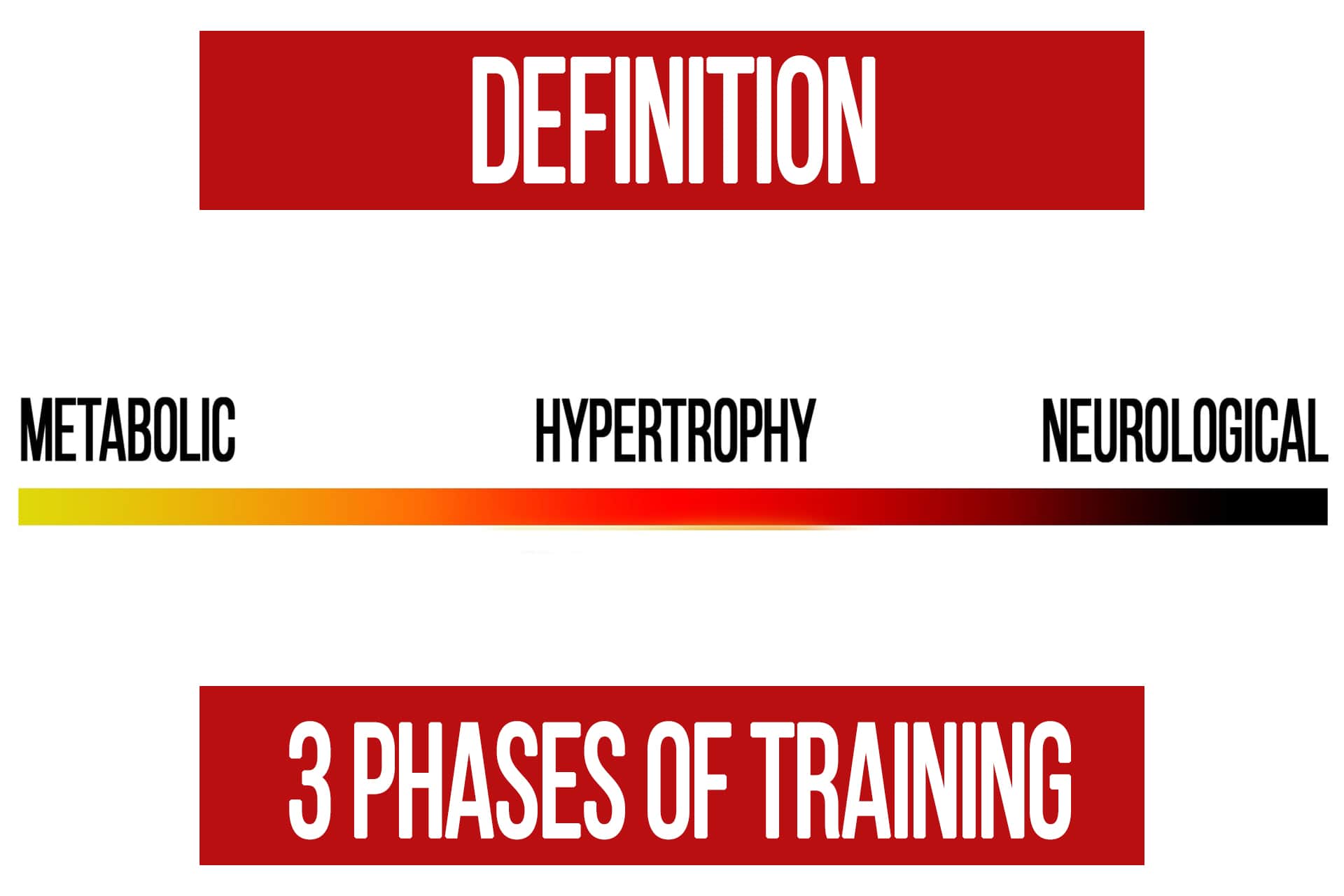
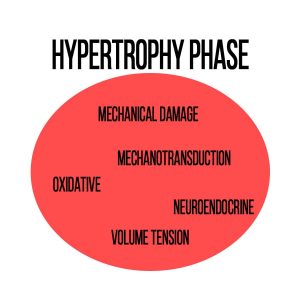
The Hypertrophy Phase encompasses the stimuli of mechanical damage, mechanotransduction, oxidative damage, and volume of tension.  We can train to emphasize specific stimuli based on how the workouts are written which vastly increases the tools we have available to program for certain goals and opens up the periodization possibilities. Point being, there is more than 1 way to create a hypertrophic response to initiate protein synthesis and add more muscle tissue.  

Example for Point #2

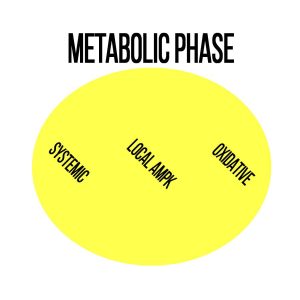
The oxidative stress stimulus can be part of both the Metabolic and Hypertrophy phases. The differentiation of what it is used for depends largely on the nutrition and volume of the stimulus.

A second example of this is mechanotransduction, which is a stimulus for hypertrophy.  There are multiple ways to achieve mechanotransduction, so depending on how it is programmed can be either more metabolic or more neurological.

This topic quickly becomes very complex when it comes to programming so if you really want to learn how to write programs for these, how to periodize them properly, and the matching nutrition and supplementation to accompany them, that is all covered in about 25 hours of content in the Nutrition & Program Design Course.Otherwise, you have the Program Library at your disposal where we’ve taken care of the programming and matching up the nutrition for you, depending on your personal goal.

What Are Stimuli?

Training stimuli refers to a specific conditions created by the type of training that elicits a particular response from the body. Think of it like a trigger that results in an adaptation.

By manipulating workout variables, we create a certain biological state in the body that stimulates processes to take place which can either positively or negatively affect our progress.

Each of these stimuli can contribute to one or more of our overall goals of fat loss, recomposition, muscle gain, or strength increase. 

Some training stimuli can contribute to multiple goals depending on how we match the nutrition with them (this is what we take care of for you with the nutrition calculators included with the N1 Training Programs)


2 Important Points About Stimuli

  1. Each phase of training contains multiple stimuli
  2. Some stimuli can occur in two phases depending on the nutrition and how they are programmed


Example for Point #1

The Hypertrophy Phase encompasses the stimuli of mechanical damage, mechanotransduction, oxidative damage, and volume of tension.  We can train to emphasize specific stimuli based on how the workouts are written which vastly increases the tools we have available to program for certain goals and opens up the periodization possibilities. Point being, there is more than 1 way to create a hypertrophic response to initiate protein synthesis and add more muscle tissue. 


Example for Point #2

The oxidative stress stimulus can be part of both the Metabolic and Hypertrophy phases. The differentiation of what it is used for depends largely on the nutrition and volume of the stimulus.

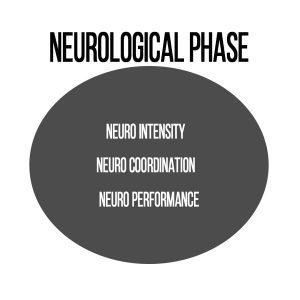
A second example of this is mechanotransduction, which is a stimulus for hypertrophy.  There are multiple ways to achieve mechanotransduction, so depending on how it is programmed can be either more metabolic or more neurological.


This topic quickly becomes very complex when it comes to programming so if you really want to learn how to write programs for these, how to periodize them properly, and the matching nutrition and supplementation to accompany them, that is all covered in about 25 hours of content in the Nutrition & Program Design Course.

Otherwise, you have the Program Library at your disposal where we’ve taken care of the programming and matching up the nutrition for you, depending on your personal goal.


Have a Question for Us?

Please Log In to Submit Your Question

You Might Be Interested
More Videos
More Articles

Edit Workout

Rapidly customize your workout to your needs.

Drag & Drop from the right to re-order exercise groups.

Drag & Drop from the left to quickly create and update super sets.

Use the checkboxes to select exercises to combine into super sets or split up into straight sets.

Substitute or Add new exercises

Edit any exercise variables.

Use advanced set methods (like integrated partials)

Apply extended set techniques (rest-pause, drop sets, cluster sets, etc.)

Program Plans

After taking our training analysis quiz, you’ll have a long-term plan constructed for you. Your plan will consist of several Phases. Each Phase will present you with a few suggested programs to pick from. Each time you complete a program, you’ll move on to the next Phase and a new set of programs to select from.

This allows flexibility in the split and type of program you can choose, while we strategically periodize the stimulus you’re getting to keep making consistent progress without neglecting any weak links.

For example, a long-term plan with the goal of muscle gain will still occasionally include systemic conditioning or dedicated local metabolic work to keep your recovery capacity high (so you can grow and perform better during your hypertrophy-focused programs).