If you are doing a program without tempo, or you’re not following the prescribed tempos, you need to listen up. Tempo is one of the most important variables in determining the stimulus of your training program. Reps and sets are meaningless if you don’t control for what the reps are doing.
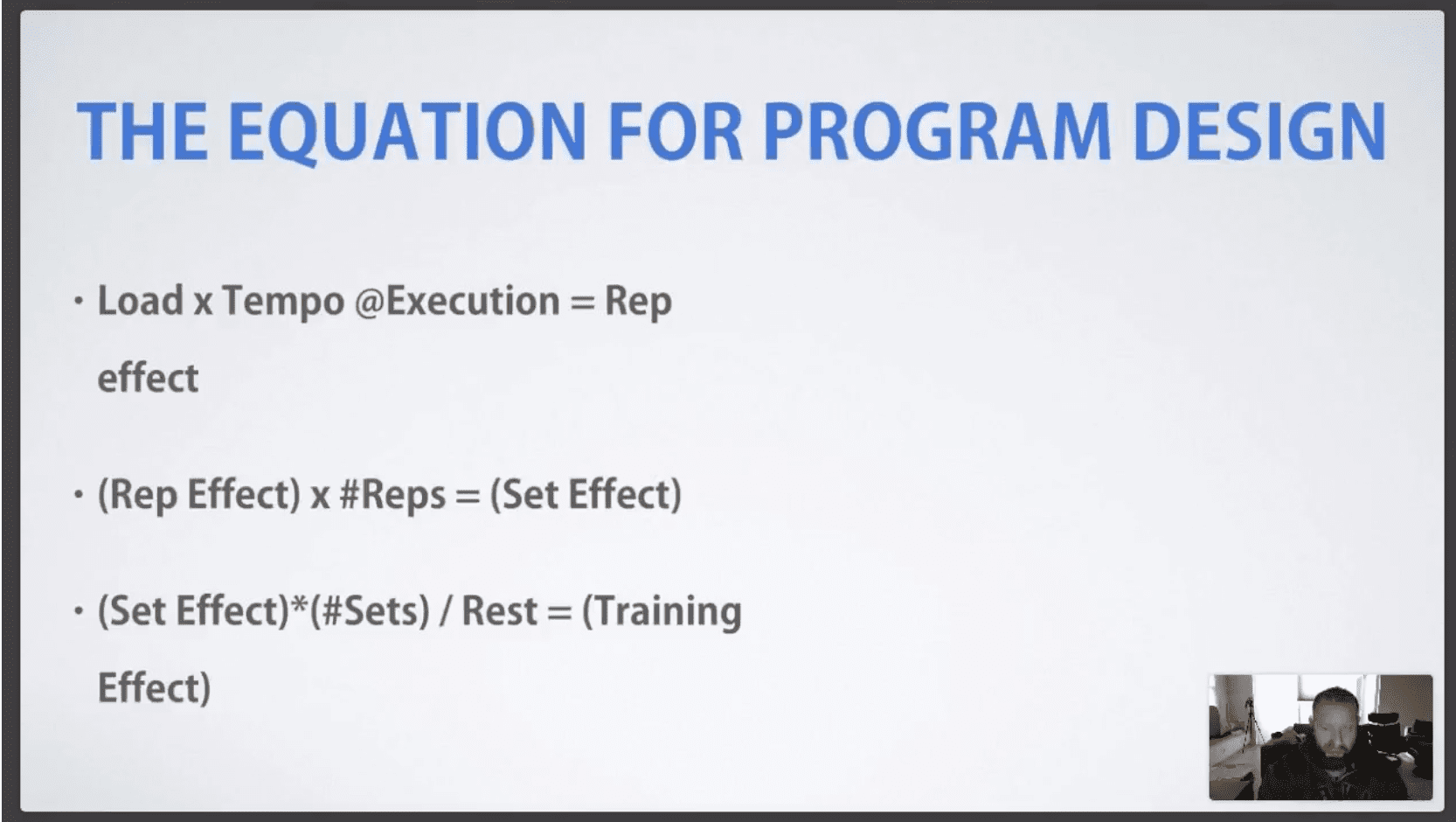
You could argue that tempo is just as important as the load you choose. In fact tempo and reps combined are what really determine the load can/should be using. If you are not controlling tempo you can throw out the concepts of progressive overload, and any sorts of progression because you are not controlling the program via controlling the effect of each rep.
Tempo not only determines how much time under tension there is in a rep, it determines the amount of time you spend in the 4 phases of a rep. Eccentric, lengthened, concentric, and shortened. Each of these phases has different metabolic and mechanical effects on the muscle. You can create more or less mechanical damage, or create more or less metabolic stress simply by altering the tempo.
Tempo also allows you to capitalize on the resistance profiles of different exercises. Some exercises will have greater resistance in either the lengthened or shortened position. Controlling the tempo allows you to emphasize these portions of the exercise to get more out of each rep. A program can not have a clear goal without tempo because it opens the execution of the program to too many variables.
Tempo Review
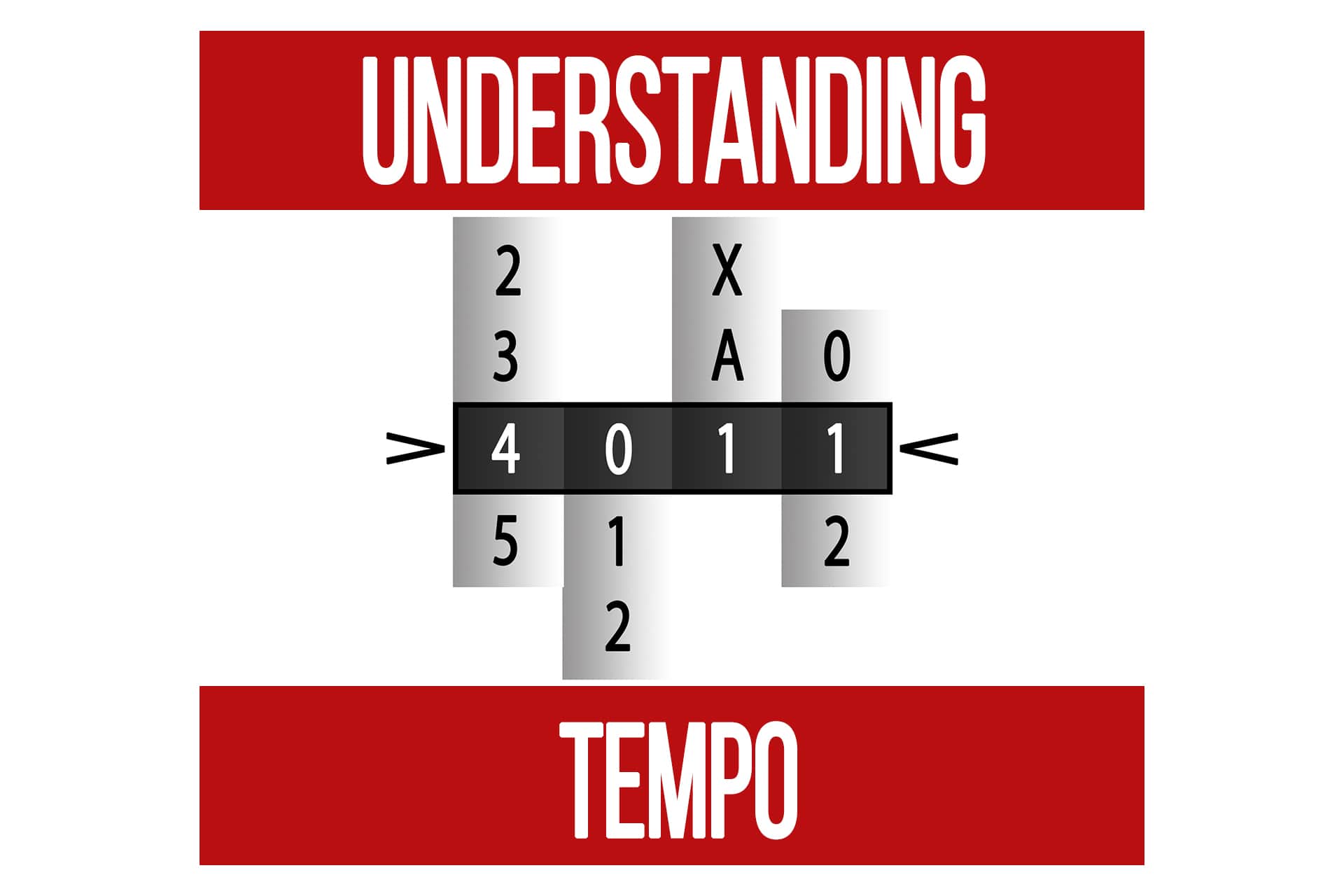
Need a refresh on what Tempo is? Here is what we tell our clients Lifting tempos will be written in your program to explain the intent in which the exercise should be performed. Common lifting tempos are: 3011, 4010, 3110. Let’s look at the 3110 tempo.
3 – Time in the eccentric
1 – Time pausing after the eccentric in the lengthened position of the muscle
1 – Time in the concentric
0 – Time at the end of the concentric. This is the shortened position of the muscle.
Check out the full article on Tempo in the related articles section below.
Customizing tempos for the exercise and correct training effect takes skill and knowledge. It requires understanding training stimuli and how to program for them to get the desired outcome.
If you’re looking to have a personal plan designed specifically for you, apply for one of the limited spots that the N1 coaches have available.
Apply for N1 Online Coaching
Learn More About N1 Coaching