Range of Motion

n1 training


Timestamps

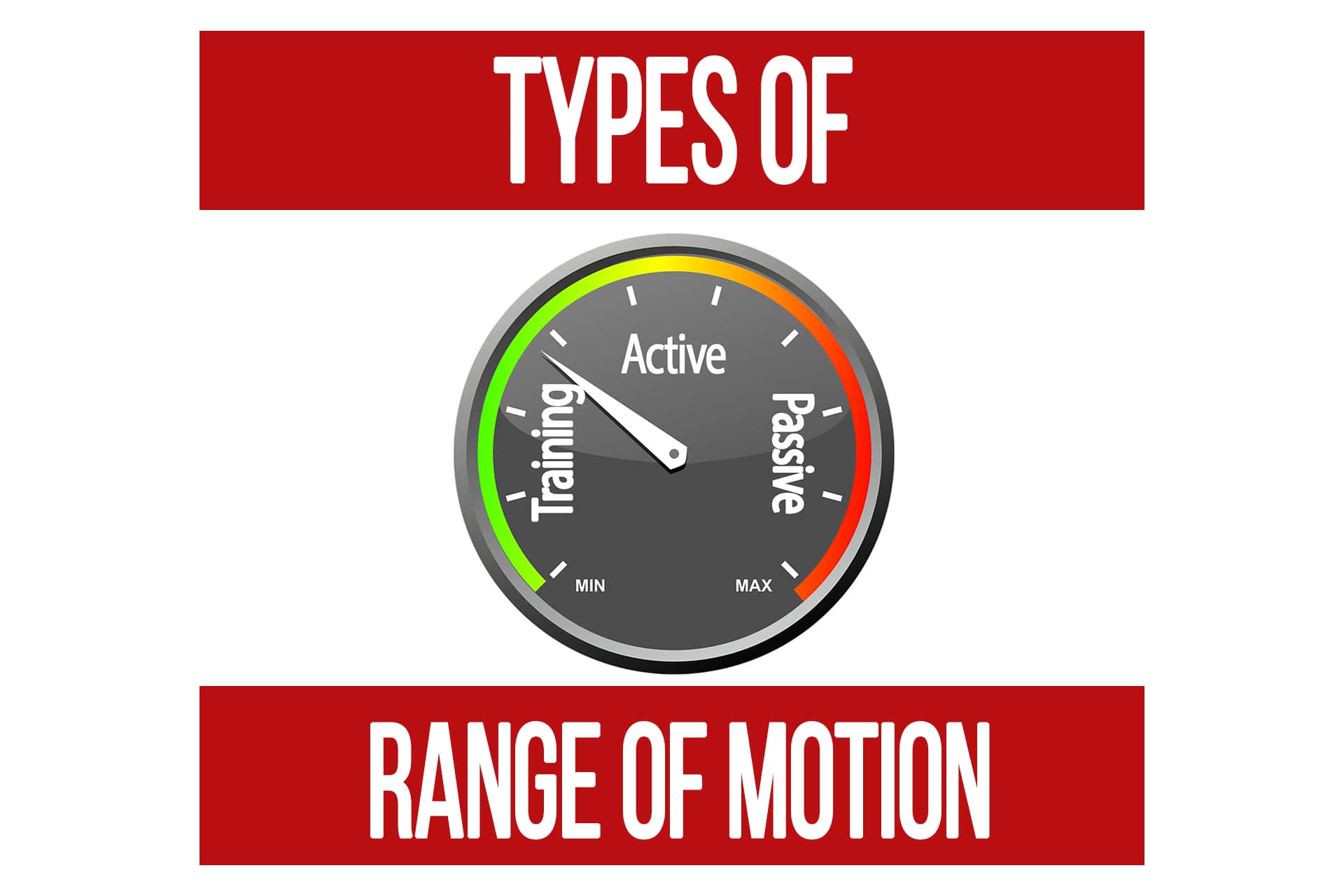
01:21 Definition of Full Range of Motion, Active ROM & Passive ROM

17:47 Stretch under load active vs. passive

26:34 Graduation process into ROM

37:39 Example, how would you advise a client to execute a leg press

42:40 Using the weight for more range of motion

46:01 What’s a safe range of motion?

48:01 Isolated muscle range of motion

01:01:16 Misconceptions and common discussions around ROM



You Might Be Interested
More Videos
More Articles

Edit Workout

Rapidly customize your workout to your needs.

Drag & Drop from the right to re-order exercise groups.

Drag & Drop from the left to quickly create and update super sets.

Use the checkboxes to select exercises to combine into super sets or split up into straight sets.

Substitute or Add new exercises

Edit any exercise variables.

Use advanced set methods (like integrated partials)

Apply extended set techniques (rest-pause, drop sets, cluster sets, etc.)

Program Plans

After taking our training analysis quiz, you’ll have a long-term plan constructed for you. Your plan will consist of several Phases. Each Phase will present you with a few suggested programs to pick from. Each time you complete a program, you’ll move on to the next Phase and a new set of programs to select from.

This allows flexibility in the split and type of program you can choose, while we strategically periodize the stimulus you’re getting to keep making consistent progress without neglecting any weak links.

For example, a long-term plan with the goal of muscle gain will still occasionally include systemic conditioning or dedicated local metabolic work to keep your recovery capacity high (so you can grow and perform better during your hypertrophy-focused programs).